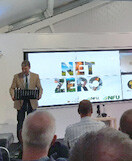
Professor Currans comprehensive report highlighted the ways in which the Island can adapt to a low carbon environment with his IMPACT plan. Zero carbon emissions by 2050 with 75% of electricity being generated by renewable sources by 2035. This has resulted in the Climate Change Act and latterly the Green Assistance matching grant of up to £6,000 for each householder. The citizens forum on climate change enables the public to have a direct input into the process.
The available technology should be carefully considered and the Island should be a fast second to adopt the appropriate technology for the Island. Charging in and being a “world leader†is a high risk strategy, it is essential we don’t go down the wrong route. Not all of us are able to afford an electric vehicle or an air source heat pump. With there being no new petrol or diesel cars or new build domestic heating boilers after 2025 the challenge is a tough one and the new administration will need to make some important decisions early on. Any transition costs should be shared equitably across all sections of society.
If 50% of the island’s motorists changed to electric vehicles it would dramatically increase our carbon foot print because at the moment the majority of our electricity is generated using fossil fuels. We need a firm strategy on how we are going to generate electricity. Should we use wind, solar, hydro (currently from Sulby reservoir) or tidal? It will have to be a mix using a public/private partnership. Should we put in another cable and just buy green energy from the UK or should we use wind turbines at night to electrolyze water and produce hydrogen for use in cars, busses and heating schools as they do on Orkney? Most of the government money is currently going to mitigation and must be put into adaptation, finding green living solutions for a small island.